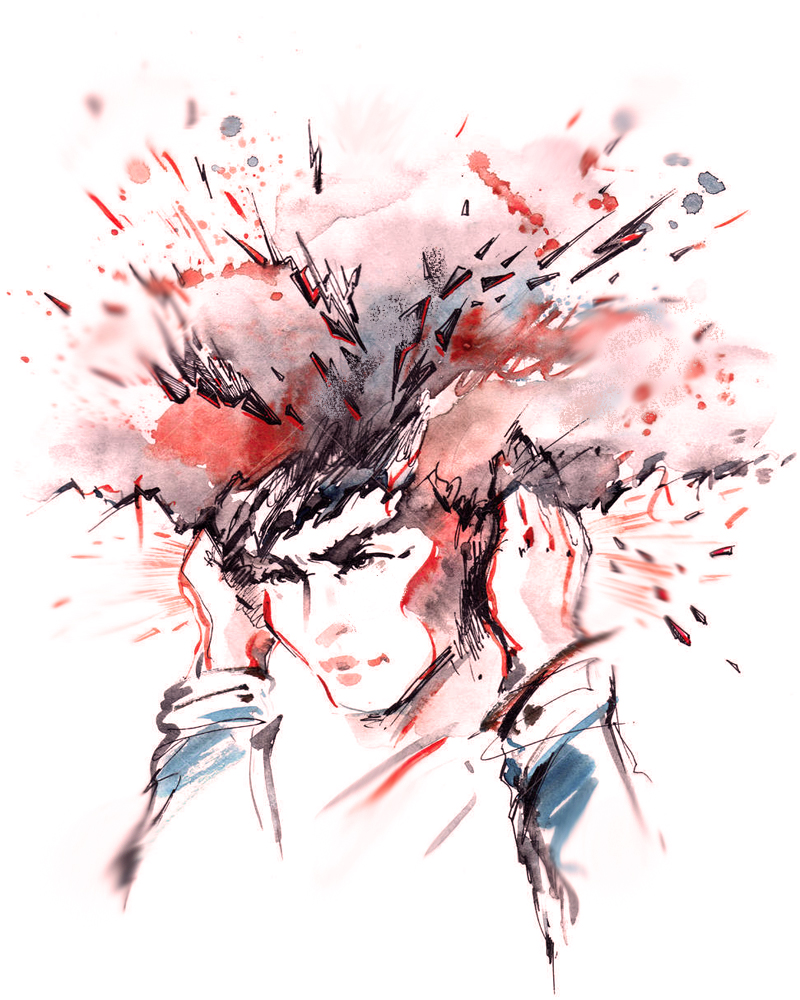
What Is A Migraine? Current Approaches In The Treatment

Migren baş ağrısı tanı ve tedavi

What Is A Migraine? Current Approaches In The Treatment Of Migraine

What is a migraine?

Migraine is a disease as old as human history. This type of headache is a very important health problem for the society. It is a type of headache that tends to recur and causes moderate to very severe pain. The pain is usually described as throbbing or pulsating and usually begins on one side of the head. Migraine headaches get worse with physical activity, light, sound, or physical movement.

what is a migraine?


If left untreated, a migraine headache attack typically lasts from 4 hours to 3 days. Patients may be sensitive to light, sound and even smell and may also experience nausea and/or vomiting. Some of the patients may feel that the pain will come 5-60 minutes before the presence of warning signals known as aura from pain attacks. Migraine is not a life-threatening brain disease. After the diagnosis of migraine, the treatment of the patient should be done according to a certain order and in cooperation with the physician.

Current approaches in the treatment

In migraine attacks, resting in a dark and quiet room with an ice pack can help reduce the pain. If sleep is possible, the patient usually wakes up free of pain. For the prophylaxis of attacks, the frequency of pain can be reduced by some simple measures such as avoiding the factors that trigger the disease, not skipping meals, and ensuring regular sleep times.

Medications for migraine treatment

Medications in migraine is given in two ways as “prophylactic” or preventive treatment to prevent attacks, and “attack (acute headache) treatment” to relieve symptoms of an attack such as pain, nausea and vomiting. Prophylactic treatment is aimed at reducing the frequency and severity of pain by using regular medications for a certain period of time. Migraine treatment is a form of treatment in which the same treatment is not applied to everyone. And each patient diagnosed with migraine should be given a special decision.

Anti-CGRP monoclonal antibodies (erenumab, galcanezumab, fremanezumab), popularly known as migraine vaccine, are approved for use in the preventive treatment of migraine. Although it is called a ‘vaccine’ because it is an antibody, it does not make it completely protected from the disease once it is made, like the vaccines we know in the classical sense. In fact, it is more accurate to define it as a medicine, not a vaccine.

Interventional treatments

Botulinum neurotoxin is used in chronic migraine prophylaxis. Although there is not enough evidence showing its effectiveness in the treatment of episodic migraine, it can be recommended in some clinics. Local anesthetics and greater occipital nerve (GON), lesser occipital nerve (LON), supraorbital nerve (SON) blockade, and sphenopalatine ganglion blockade are among the safe and effective interventional treatments in migraine with frequent attacks, especially chronic migraine.

Botox injection for migraine headache

Neuromodulation

Different neuromodulation (stimulation of the nervous system) methods can be used in the treatment of migraine. There is experience in the treatment of migraine with both invasive and non-invasive methods. Non-invasive methods include transcranial magnetic stimulation, transcranial direct current stimulation, and non-invasive vagal nerve stimulation (VSS); invasive methods include occipital nerve stimulation and implanted VSS. It has no routine clinical use yet.

What is a migraine headache diary?

A migraine headache diary is a written or digital log where individuals can record detailed information about their migraine episodes. It serves as a personal record that helps track and monitor various aspects of migraines, including the frequency, duration, intensity of pain, triggers, and associated symptoms. The diary may also include information about medication usage, lifestyle factors, sleep patterns, and any remedies or interventions tried during a migraine attack.

By consistently maintaining a migraine headache diary, individuals can identify patterns and potential triggers, recognize early warning signs, and track the effectiveness of different treatments or lifestyle modifications. The diary acts as a useful tool for both individuals and healthcare professionals, providing valuable information for accurate diagnosis, personalized treatment plans, and improved management of migraines.

If you’re looking to better understand your migraine headache condition and track your symptoms, “The Migraine Detective: A 30-Day Diary For Solving The Mystery Of Your Headaches” is an affordable option designed by Tural Bayramov, MD.
Trigeminal Neuralgia: The Most Excruciating Facial Pain

trigeminal nevralji

The Most Excruciating Facial Pain: Trigeminal Neuralgia. Symptoms, Causes and Treatment Options

Trigeminal neuralgia is a facial pain condition associated with the trigeminal nerve or one of its branches. The primary function of trigeminal nerve is to provide sensory innervation to the face. This nerve is divided into three main branches. Based on the reports of the patients we examined in our pain clinic, we believe that trigeminal neuralgia pain may be the worst pain to experience.

Symptoms of trigeminal neuralgia

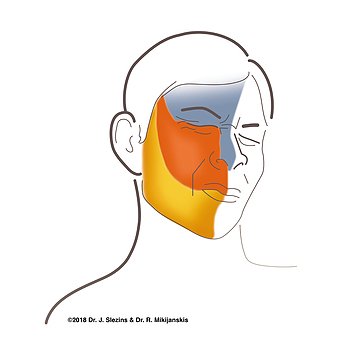
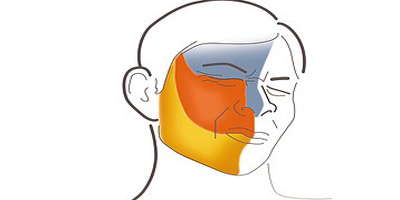
Patients with trigeminal neuralgia typically experience episodes of severe pain on one side of the face. Often described as sharp shooting pain, triggered by simple activities such as chewing, brushing teeth, or putting on makeup. The attack passes within seconds, sometimes it can last for minutes. Pain is usually felt in the cheek area up to the edge of the upper lip, the forehead, eyebrows, and the chin area starting from the lower lip.

Rarely, it can be seen on both sides of the face. These patients usually apply to dentists with these pains; even before the diagnosis is made, many patients have their teeth on the pain side extracted.

Trigeminal neuralgia

Causes of trigeminal neuralgia

It can sometimes be very difficult to fully understand the causes of trigeminal neuralgia. Neuralgia may develop due to damage to the nerve itself, pressure on the nerve, or changes in the nerve’s function. Another point to keep in mind is that in some cases the cause of trigeminal neuralgia may not be found.

Trigeminal neuralgia affects more women than men. It usually starts between the ages of 50 and 60. It is rare in patients younger than 40 years of age.

According to the patient’s characteristic history and neurological examination, the diagnosis of “Trigeminal Neuralgia” is made. Laboratory, electrophysiological tests and radiological imaging are performed to investigate the cause of the disease.

Treatment options for trigeminal neuralgia

Treatment of trigeminal neuralgia differs from patient to patient, depending on the underlying cause and severity of their pain. Treatment options may include medications, minimally invasive interventional treatments, open brain surgery, or radiation therapy.

Many people who suffer from trigeminal neuralgia have their condition successfully controlled with medications for many years. Medications are usually started at low doses and gradually increased according to the patient’s response to the medication.

Minimally invasive interventional therapies can be used in the treatment of trigeminal neuralgia if drug therapy does not provide sufficient benefit to the patient or if the side effects are intolerable. Commonly used minimally invasive treatments in the management of trigeminal neuralgia:

  • Percutaneous Gasser ganglion radiofrequency thermocoagulation
  • Block, chemical neurolysis, or thermocoagulation of the affected trigeminal nerve branches
  • Percutaneous retrogasserian glycerol injection
  • Percutaneous balloon compression

Trigeminal Neuralgia Gasser Ganglion Radiofrequency Ablation

These procedures should be performed by trained and experienced doctors. Minimally invasive interventional treatments may give the best results when applied early in the course of trigeminal neuralgia. Even if drug therapy comes first, when drug therapy is deemed ineffective, the next step in therapy should be followed. This is an important consideration so as not to delay or reduce the effectiveness of invasive treatments.

Microvascular decompression surgery, which is an open surgical method, is generally recommended for younger patients. It is especially performed in patients with isolated pain in the ophthalmic main branch of the trigeminal nerve or all 3 main branches of the trigeminal nerve and patients with secondary trigeminal neuralgia. It is currently the most common surgical procedure performed for patients with trigeminal neuralgia. Surgery appears to be less effective for trigeminal neuralgia secondary to multiple sclerosis (MS).

Treatment using radiation therapy(Gamma Knife Therapy) appears to be as effective (80% of patients) as minimally invasive interventional therapy, but it takes weeks to months to bring relief, which is too long for some patients and is more expensive

Common Causes Of Neck And Back Pain? How Is It Diagnosed?

common causes of back pain and neck pain

What Are The Common Causes Of Back Pain And Neck Pain? Which Department In The Hospital Deals With Back And Neck Pain? How Is It Diagnosed?

What are the common causes of back pain and neck pain?

What does our spine do?

To understand causes of back pain and neck pain, we need to focus on our spine. The spine provides support to the whole body. It provides standing upright, balance and movement in all directions. It also protects the vitally important spinal cord. In order to fulfill these functions, different structures such as bones, muscles, discs, nerves and joints that make up the spine must be robust and work in harmony.

Our spine is made up of 33-34 vertebrae. 24 of these vertebral bones on the upper side are connected to each other through cartilages called intervertebral discs. These vertebrae are divided into 3 groups. These are 7 neck, 12 back and 5 lumbar vertebrae. The coccyx was formed by the fusion of five of the other 9-10 vertebrae, and the tailbone was formed by the fusion of 4-5 small vertebrae at the bottom.

common causes of back pain and neck pain

What are the causes of back pain and neck pain?

Back pain and neck pain can be caused by any of the different structures that make up the spine, such as bones, muscles, discs, nerves, and joints. The majority of these pains in the patients we examined in our clinic are due to mechanical stress disorders. Among these, the most common ones are muscle strain, herniated disc and degeneration. The prognosis is good in most cases in mechanical disorders. Most of these pains heal in a short time. A small proportion of them become chronic and worsen the quality of life of patients.

Very rarely, back pain and neck pain may be due to inflammatory diseases, infections and bone diseases, and pain from other organs (such as an aortic aneurysm).

Which department in the hospital deals with back and neck pain, and how is it diagnosed?

Which department should I make an appointment for?

Questions that patients with back pain and neck pain often have difficulty in finding answers to; “Do I need to go to the doctor?”, “Which department?”, “Which doctor?”, “Can I go to the pain doctor?” and similar questions. So, is there only one answer to these questions? Of course, the answers to these questions will be very different for each patient.

In most cases, tolerable acute pain subsides within a few weeks with simple home remedies or on its own, and there is no need to consult a doctor. However, if the pain occurs after trauma and/or suddenly and is not tolerable, or if the pain lasts for weeks and becomes chronic, it is absolutely necessary to go to a doctor and be examined.

The other question that patients and their relatives should answer is “which department” or “which doctor” should an appointment be made for. Especially if there is unbearable pain after trauma and/or suddenly. It is absolutely necessary to apply to the emergency department. If the general condition of the patient is good, if there is no serious trauma, but if there is acute (sudden onset) back, and/ or neck pain, then orthopedics or neurosurgery departments dealing with spine surgery can be consulted. In other cases, it is necessary to make an appointment to the family doctor or physical therapy and rehabilitation department. In cases where back pain cannot be controlled and there is no surgical pathology, it would be appropriate to apply to the pain medicine department  (or pain doctor).

How do doctors diagnose back and neck pain?

The doctor first listens to the history and complaints of the patient who comes to the outpatient clinic with the complaint of back pain or neck pain. Then performs the physical examination and, if necessary, may request advanced examinations such as x-ray films, MR imaging (MRI), computed tomography (CT), and electromyography (EMG). In addition, blood tests and special tests may be required for the diagnosis of some diseases. When necessary, the patient is consulted with the doctors of other branches and the patient’s pain is tried to be treated with a holistic approach.

We hope that the information we provide will be useful, and the patients and their relatives with back pain and neck pain, apply to the right department at the right time and their pain is taken under control in the best way possible.

Understanding Fibromyalgia: Symptoms, Causes, and Treatments

Fibromyalgia - Fibromiyalji

Understanding Fibromyalgia: Symptoms, Causes, and Treatments

What is Fibromyalgia?

Most people are looking for an answer to the question of what is fibromyalgia. Let’s take a closer look at this disease, which has very complex findings. First, it is a chronic, long-term, disease. It causes widespread muscle pain, joint pain, and fatigue. The pain may decrease or increase intermittently. Fibromyalgia has no known cause, but certain factors, such as stress and genetics, can predispose a person to the disease. Although there is no cure, lifestyle changes, some medications, and other therapies provide relief in the patient’s condition.

Fibromyalgia

Anyone can have fibromyalgia, including children. Statistics show that women are twice as likely to develop fibromyalgia than men. Symptoms usually appear in middle age. Up to 20% of patients suffering from other chronic rheumatological conditions such as rheumatoid arthritis, lupus, and sarcoidosis may also have fibromyalgia.

What triggers fibromyalgia?

Certain conditions or events can cause fibromyalgia to manifest as a disease. Here are some of them:

  • Stress factors such as being born prematurely, abuse, traumatic life events such as accidents
  • Medical conditions such as viral infections or other illnesses
  • Anxiety, depression, and other mood disorders
  • Bad sleep pattern
  • Not exercising

Some factors, especially situations that increase the stress level, can cause a fibromyalgia attack (exacerbation). Some of these factors include:

  • Changes in daily routines
  • Dietary changes or poor diet
  • Hormone fluctuations
  • lack of sleep
  • such as work-related stress, another illness, emotional stress
  • Changes in treatment
  • Change in sleep patterns (for example, shift work)
  • weather or temperature changes

What findings make us think of fibromyalgia?

Patients often consult the doctor with characteristic symptoms such as generalized muscle pain and joint pain, as well as fatigue and poor quality sleep. The disease affects each patient differently.

The patient may also experience:

  • Anxiety or depression
  • Problems with the digestive system, including diarrhea or constipation
  • Facial or jaw pain (jaw joint disorders)
  • Headache
  • Memory problems
  • Tingling or numbness in the hands or feet

How is fibromyalgia diagnosed?

There is no test that definitively diagnoses fibromyalgia. The diagnosis of fibromyalgia is clinically confirmed based on symptoms and physical examination results. Basic blood tests are recommended to rule out other causes of fatigue, such as anemia or hypothyroid disease. Diagnosis is based on the patient’s family and medical history, along with symptoms. People with fibromyalgia tend to be extremely sensitive to pain that would not normally bother most people.

In the past, doctors used to assess trigger points or areas on the body that were highly sensitive to touch. If he could identify 11 of the 18 evaluated points, he could diagnose fibromyalgia.

In 2010, the American College of Rheumatology developed new criteria and it was stated that tender points do not have value as a diagnostic criterion. For diagnosis, widespread pain must be present for three months along with fatigue and other symptoms such as impaired memory and concentration, poor quality sleep, symptoms of depression, and restlessness.

How is it controlled or treated?

There is no cure for fibromyalgia. Some medications and lifestyle changes can improve symptoms. The following options can be used to treat fibromyalgia:

  • İmproved sleep habits
  • Stress management techniques
  • Exercise therapy
  • Analgesic drugs, antidepressants, anticonvulsants (drugs used for epilepsy)
  • Trigger point injection, Dry needle therapy
  • Cognitive behavioral therapy

What are the complications?

Fibromyalgia is not life threatening. Living with chronic pain and fatigue can of course be difficult for those with this disease. If fibromyalgia is not treated, work life and daily activities become more difficult and quality of life decreases.

How can fibromyalgia be prevented and what is the prognosis for these patients?

Because it is not known what causes fibromyalgia, it is difficult to say what steps should be taken to truly prevent the disease. Still, it’s always a good idea to follow the suggestions below:

  • Minimize the stress in your life
  • Eat a nutritious diet
  • Get enough sleep
  • Keep your weight within healthy limits
  • Take care that arthritis, depression or other conditions are well treated
  • Exercise actively and regularly

Most people with fibromyalgia can relieve symptoms by taking certain medications and making lifestyle changes. Sometimes the symptoms completely go away after taking steps to reduce the stress. A small number of people experience pain or fatigue so severe that they cannot work. In these cases, positive changes in the quality of life can be caused by taking both medical, psychological and social help with a holistic approach.

To get comprehensive information about fibromyalgia and the details of coping with this disease, you can read the book written by Tural Bayramov M.D.: Fibromyalgia : A Patient’s Guide to Understanding, Coping, and Finding Hope

Fibromiyalji